Overview of Roof Assessments
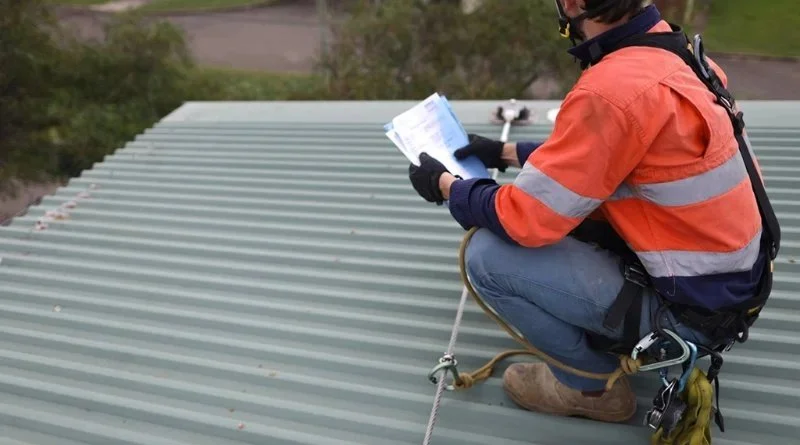
Roof assessments, also known as professional roof inspections, are a critical part of maintaining the longevity and health of your home’s roof. A thorough roof assessment allows professionals to identify potential problems before they become major issues. Whether you're buying a new home or maintaining your current one, a professional roof assessment is a proactive step to prevent costly repairs or replacements in the future.
Roof assessments are typically conducted by trained roofing experts who know exactly what to look for. This service is especially valuable for homeowners who may not be able to identify problems on their own. In this article, we’ll break down what happens during a professional roof assessment, the steps involved, and why it’s essential to have your roof inspected regularly.
Steps Involved in a Professional Roof Assessment
A roof assessment is a comprehensive process that includes several important steps. Here's what you can expect during a typical professional roof inspection:
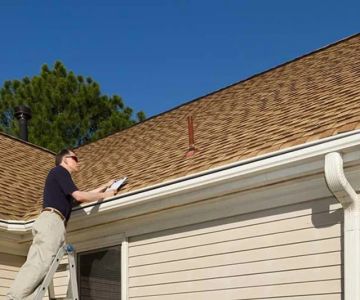
- Initial Inspection: The roofing professional will begin with an overall visual inspection of the roof. This includes assessing the roof’s exterior, checking for visible signs of damage, wear, or debris buildup. They may use binoculars to inspect high areas of the roof without climbing onto it.
- Detailed Examination of Roof Materials: The inspector will closely examine the roof materials, including shingles, tiles, and flashing. They’ll look for issues like cracked or missing shingles, warped tiles, or rusted flashing.
- Check for Signs of Water Damage: Roof inspectors look for water stains, leaks, or mold, which can indicate problems with roof drainage or leaks. They will inspect the attic for signs of moisture buildup or improper ventilation.
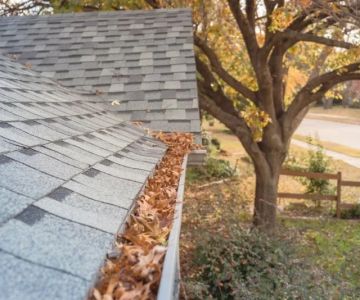
- Gutter and Downspout Inspection: Gutters play a key role in managing water flow from the roof. Inspectors will check that gutters and downspouts are clean, securely attached, and free from blockages to prevent water damage.
- Structural Integrity Check: The inspector will assess the structural condition of the roof, including beams, supports, and rafters, ensuring that the roof is secure and stable.
Common Issues Identified During Roof Inspections
During a roof assessment, the inspector will look for common issues that may affect the roof's performance and longevity. Some of the most frequent problems found during roof inspections include:
- Leaks: Leaks are one of the most common roof issues. Roof inspectors will look for water stains, mold, or signs of moisture in the attic, which could indicate a leak.
- Cracked or Missing Shingles: Damaged shingles can compromise the roof’s ability to protect your home from the elements. A missing or cracked shingle can allow water to seep through, leading to leaks and further damage.
- Clogged Gutters: Blocked gutters can cause water to back up onto the roof, increasing the risk of water damage. Gutter inspections ensure that water can flow freely and safely off the roof.
- Improper Ventilation: Poor attic ventilation can cause moisture buildup, leading to mold, mildew, and structural damage. Inspectors will check the attic for proper ventilation to prevent these issues.
- Damaged Flashing: Flashing is the metal material used around chimneys, vents, and skylights to prevent leaks. If the flashing is damaged or improperly installed, it can lead to leaks and roof deterioration.
Why Regular Roof Assessments Are Important
Regular roof assessments are crucial for maintaining a healthy roof and preventing expensive repairs. Here are some reasons why roof inspections should be part of your home maintenance routine:
- Early Detection of Problems: Regular roof assessments can identify potential issues before they become serious problems. Catching issues early can save you money and prevent extensive damage.
- Prolong the Life of Your Roof: Proper maintenance and timely repairs can extend the lifespan of your roof. By addressing minor issues early, you can avoid the need for costly roof replacements.
- Increase Home Value: A well-maintained roof is an attractive feature for potential buyers. Regular roof assessments can help maintain or increase the value of your home.
- Peace of Mind: Knowing that your roof is in good condition provides peace of mind. It reduces the likelihood of emergency repairs and gives you confidence that your home is protected from the elements.
When to Call a Roofing Professional
While some roof assessments can be done by homeowners, it’s often best to hire a professional roofing expert. Here are some situations when you should call in a professional:
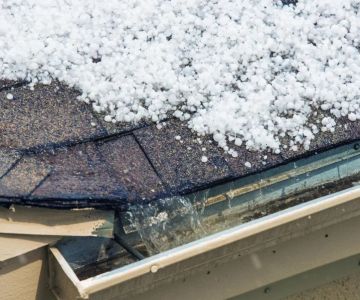
- After Severe Weather: If your area has experienced a storm or high winds, it’s a good idea to have your roof professionally inspected to check for damage.
- If You Notice Signs of Roof Damage: If you spot water stains, missing shingles, or leaks, a professional inspection can help identify the cause and recommend repairs.
- If Your Roof Is Over 10 Years Old: Older roofs require more frequent inspections to ensure they remain in good condition. A professional roofer can identify age-related wear and tear before it becomes a problem.
 CRS Windows4.0 (7 reviews)
 Quality Essential Renovations, LLC3.0 (19 reviews)
 Advance Inc - Roofing Windows Siding Doors & Decks4.0 (273 reviews)
 Safe Top Roofing & Remodeling4.0 (81 reviews)
 Ruff Roofing Inc.3.0 (12 reviews)
 ABC Supply Co. Inc.4.0 (13 reviews)
 Top 10 Signs Your Roof Needs Immediate Repair: Keep Your Home Safe
 How to Budget for a Roof Replacement Project – Roofing Costs and Tips
 The Pros and Cons of Vinyl Siding for Homeowners
 Siding Upgrade Ideas That Don’t Break the Bank
 How to Protect Your Roof from Environmental Wear: Expert Tips for Longevity
 How Much Does a New Roof Cost in 2025? A Complete Guide