
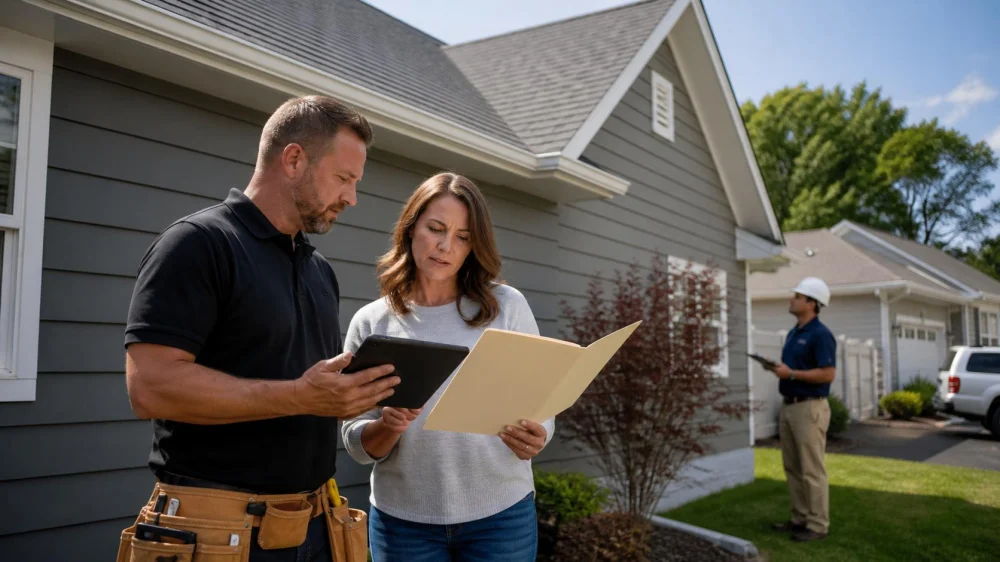
Roof and Siding Permit Check: Who Files and Closes It
On this page
Quick answer
Before roof or siding work starts, verify with the current local building authority whether the scope needs a permit, who may apply, what drawings or product approvals are required, and which inspections must occur. Put filing, fees, corrections, access, scheduling, and closeout responsibility in the contract. Keep the issued permit and final approval with your property records.

CertaPro Painters of Huntington Beach, CA
2832 Walnut Ave STE C, Tustin, CA 92780, USA
Check before signing
Permit requirements depend on the location and exact project, not just whether the job is called a repair or replacement. Roof covering, sheathing, structural framing, insulation, ventilation, windows, wall openings, cladding, weather barriers, and electrical or mechanical changes may be treated differently.
Contact the city, county, or other authority that has jurisdiction over the property. Describe the actual scope and property type. Ask about contractor licensing, product approvals, homeowner-assigned permits, historic-district review, association approval, fire or wind requirements, and separate trade permits. Use current official information rather than a neighbour's past project.

Assign responsibility
The contract should identify who prepares and files the application, pays the base fee, responds to plan comments, posts the permit, requests inspections, corrects rejected work, and obtains final approval. It should also explain charges caused by owner-requested changes or concealed conditions.
Confirm the applicant and contractor names match the intended responsibility. Be cautious if asked to take a homeowner permit solely to bypass licensing or contractor obligations. Ask the authority what signing as applicant means before accepting that role.
Do not treat a permit fee as proof that an application was filed. Request the permit number or official record, approved scope, issue date, and any conditions before work that requires approval begins.
Plan inspections
Ask which work must remain visible for inspection. Roofing inspections may need to occur before certain layers are covered; siding work may require review of wall preparation, flashing, weather-resistant barriers, insulation, or final details. The actual sequence is set locally.
Put inspection request lead time into the project schedule. Identify who provides safe access and who receives the result. If an inspection is not approved, obtain the written correction notice, confirm the repair plan, and schedule the reinspection before concealing affected work.
Handle changes
Concealed rot, damaged sheathing, framing issues, new openings, or a product substitution can change the approved scope. Require a written change order and ask whether revised plans or permit amendments are needed. Approval of price does not automatically update a permit.
At closeout, compare the completed scope with approvals and amendments. Collect final inspection status, certificate or completion record if issued, warranties, invoices, and relevant photos. An open permit can complicate future work, property records, or a sale.
Permit checklist
- Correct authority and property jurisdiction.
- Exact roof, siding, and related work scope.
- Permit, zoning, historic, or association reviews.
- Applicant and licensed contractor details.
- Product, drawing, and engineering requirements.
- Fees, corrections, and amendment responsibility.
- Required inspection stages and access.
- Written results and reinspection process.
- Final approval and project-record storage.
Limitations and safety notes
This guide does not determine whether a permit is required, interpret a building code, or provide legal advice. Rules, forms, fees, exemptions, and enforcement vary across US jurisdictions and change over time. Verify the current requirement with the authority having jurisdiction and qualified professionals. Homeowners should not climb roofs or open exterior assemblies to prepare a permit check.
FAQ
Does a roof repair always require a permit?
No universal answer applies. The location, extent, layers, structure, and local exemptions matter. Ask the current authority about the exact work.
Can a homeowner pull the permit?
Some jurisdictions allow it under defined conditions, but it may assign important responsibilities. Confirm eligibility and consequences before signing.
What if the contractor says no permit is needed?
Request the basis and verify it directly with the local authority. Keep the response with the contract file.
Is a passed final inspection a workmanship warranty?
No. Inspection, contract performance, product warranty, and contractor labour warranty are separate matters.
Evidence notes
This guide uses common permit controls: scope verification, assigned filing responsibility, staged inspections, documented corrections, approved amendments, and final-status records. Because local rules control, it intentionally avoids claiming a single nationwide requirement.
Next steps
Write a one-paragraph scope, contact the correct building authority, and record its current filing and inspection instructions. Add those responsibilities to the contract, save the issued permit number, and do not close the project file until final status is documented.


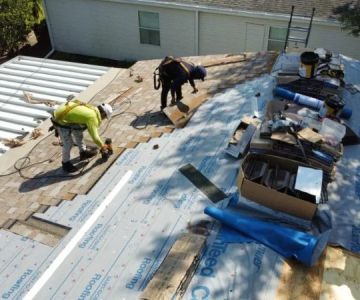
 Skylight Construction4.0 (5 reviews)
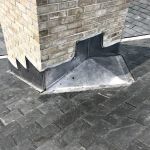 Your Local Roofer in Greenwich, CT5.0 (3 reviews)
 J P & Family Inc.4.0 (33 reviews)
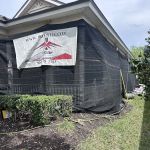 1 Roof LLC4.0 (151 reviews)
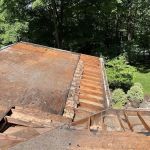 Father and Sons Home Improvements LLC4.0 (39 reviews)
 Wilson Pacific Roofing3.0 (5 reviews)
 Why Roof Maintenance Preserves Home Integrity: Essential Guide for Homeowners
 How Much Does a New Roof Cost in 2026? A Complete Homeowner’s Pricing Guide
 Top 10 Signs Your Roof Needs Immediate Repair
 How Roof Age Affects Home Insurance Coverage and Premiums
 What Is Ice Dam, How It Forms, and How to Prevent It on Your Roof
 Roof Failure Modes: Age, Weather, Poor Installation